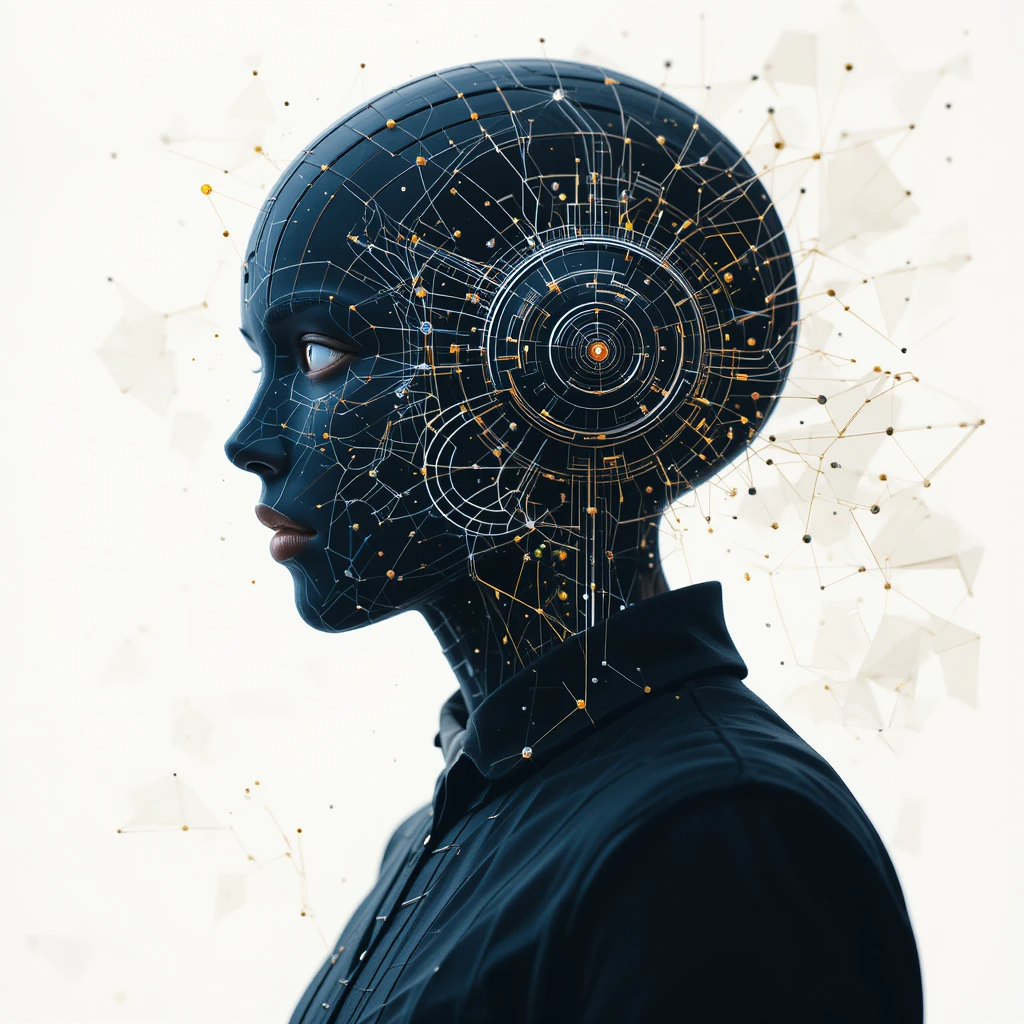
Artificial Intelligence (AI) has revolutionized numerous industries, from healthcare to finance, offering unparalleled efficiency and automation. However, alongside its benefits, AI development raises significant ethical concerns. These issues impact society, individuals, and businesses, requiring careful consideration and responsible AI development.
1. Bias and Discrimination
AI systems learn from existing data, which can sometimes reflect societal biases. This can lead to discriminatory outcomes in hiring processes, law enforcement, lending decisions, and more.
1.1 Algorithmic Bias
AI models can inherit and amplify biases present in training data, leading to unfair treatment of certain groups.
1.2 Lack of Diversity in AI Development
A homogeneous AI development team may unintentionally overlook biases, reinforcing societal inequalities.
2. Privacy and Data Security
AI relies on vast amounts of data, raising concerns about how personal information is collected, stored, and used.
2.1 Data Collection and Consent
Many AI systems gather user data without explicit consent, posing ethical and legal challenges.
2.2 Risk of Data Breaches
With large datasets, AI-driven platforms become attractive targets for cybercriminals, increasing the risk of data leaks.
3. Transparency and Accountability
The “black box” nature of AI decision-making raises questions about responsibility and trust.
3.1 Explainability of AI Decisions
Understanding how AI reaches conclusions is essential for accountability and fairness, particularly in critical fields like healthcare and law.
3.2 Who is Responsible?
Determining accountability for AI-driven mistakes or harm remains a significant challenge in legal and ethical discussions.
4. Job Displacement and Economic Impact
While AI enhances productivity, it also threatens jobs, particularly in sectors reliant on repetitive tasks.
4.1 Workforce Disruption
Automation can lead to job losses, requiring new strategies for workforce adaptation and retraining.
4.2 Income Inequality
AI-driven economic shifts may widen the gap between skilled and unskilled workers, increasing socioeconomic disparities.
5. AI in Warfare and Autonomous Weapons
The militarization of AI presents severe ethical and humanitarian concerns.
5.1 Autonomous Weapons Systems
AI-powered weapons operate without direct human intervention, raising concerns about accountability and ethical warfare.
5.2 Ethical Use of AI in Defense
Ensuring AI is used responsibly in defense applications is crucial to prevent potential human rights violations.
6. Deepfakes and Misinformation
AI-generated content, such as deepfakes, can spread false information, undermining trust in media and democracy.
6.1 Manipulated Media
Deepfake videos and AI-generated text can deceive audiences and influence public perception.
6.2 Combatting AI-Generated Misinformation
Developing AI detection tools and enforcing regulations can help mitigate the impact of fake content.
7. Ethical AI Governance and Regulations
As AI evolves, governments and organizations must implement ethical frameworks to ensure responsible development.
7.1 Establishing AI Ethics Guidelines
Industry leaders and policymakers must define ethical AI standards to guide developers and users.
7.2 Government Oversight and Legislation
Governments should implement laws to regulate AI use and prevent ethical violations.
Conclusion
AI’s potential is immense, but ethical concerns must be addressed to ensure fair, transparent, and responsible development. By prioritizing ethical AI practices, we can harness its benefits while minimizing risks to individuals and society.
FAQs
- What are the main ethical concerns in AI development?
Key concerns include bias, transparency, privacy violations, accountability, and misinformation. - How can AI bias be reduced?
Using diverse datasets and conducting regular audits can help minimize bias in AI systems. - Why is transparency important in AI?
Transparency ensures that AI decisions are interpretable, fostering trust and accountability. - What role do governments play in ethical AI?
Governments create policies and regulations to enforce ethical standards, protect privacy, and ensure fairness. - Can AI development ever be completely ethical?
While perfect ethical alignment may be difficult, ongoing efforts can significantly mitigate risks and enhance trustworthiness.