Implementing advanced AI health tools is the absolute best way to take proactive control of your physical and mental well-being in an increasingly complex world. In an era where healthcare systems are often overburdened and reactive, relying on annual check-ups and generic wellness advice is no longer a viable strategy for optimal health. Today, forward-thinking individuals are leveraging machine learning, predictive analytics, and natural language processing to monitor their biometrics, understand their symptoms, and personalize their daily habits. If you are looking to understand exactly how to integrate these intelligent technologies into your lifestyle to prevent illness and boost vitality, you are in the right place.
This comprehensive guide demystifies the rapidly expanding landscape of digital health. We will explore the life-saving potential of a modern AI symptom checker, detail the daily benefits of AI wellness apps and AI health tracking tools, and provide a strategic blueprint for utilizing AI mental health apps. By the end of this article, you will have a clear, actionable framework for selecting the right digital health AI tools, optimizing your personal health data, and driving measurable improvements in your overall quality of life.
1. The Wellness Revolution: Why AI Health Tools Matter in 2026
Historically, healthcare has been fundamentally reactive. Patients would wait until symptoms became severe enough to warrant a doctor’s visit, at which point treatment would begin. This model is inefficient, costly, and often misses the window for early, preventative intervention. Furthermore, generic health advice fails to account for the unique genetic, environmental, and lifestyle factors that dictate an individual’s health trajectory.
The integration of AI health tools represents a quantum leap from reactive sick-care to proactive, personalized health-care. Unlike legacy fitness trackers that merely log steps, modern AI-driven platforms analyze complex, multi-variable datasets to provide predictive insights and actionable recommendations. According to guidelines published by the World Health Organization (WHO) on digital health interventions, the strategic use of AI in personal health monitoring can significantly improve patient engagement, enhance early disease detection, and reduce the overall burden on healthcare systems. This shift empowers you to become the primary manager of your own well-being, armed with data-driven insights.
2. Proactive Triage: The Power of the AI Symptom Checker
One of the most accessible and immediately valuable applications of artificial intelligence in personal health is the AI symptom checker. These tools bridge the gap between noticing a new physical sensation and knowing whether it requires immediate emergency care, a scheduled doctor’s appointment, or simple home monitoring.
Natural Language Processing for Accurate Triage Modern AI symptom checker platforms use advanced Natural Language Processing (NLP) to understand how real people describe their symptoms. Instead of forcing you to navigate complex medical decision trees, you can simply type or speak, “I have a sharp pain in my lower right abdomen and a low-grade fever.” The AI analyzes this input against vast, continuously updated medical databases to generate a list of potential conditions, ranked by probability and severity.
Reducing Healthcare Anxiety and Unnecessary Visits A major benefit of an AI symptom checker is the reduction of “cyberchondria”—the anxiety induced by searching symptoms on generic search engines, which often leads to worst-case scenario conclusions. AI tools provide calibrated, evidence-based risk assessments. They can confidently tell you when a symptom is likely benign and can be monitored at home, thereby reducing unnecessary and costly visits to urgent care or the emergency room.
Seamless Handoff to Human Care The best AI health tools do not operate in a vacuum. When an AI symptom checker identifies a high-risk condition (such as potential cardiac events or severe allergic reactions), it immediately escalates the advice, prompting the user to call emergency services. Furthermore, many of these tools can generate a concise, medically formatted summary of your symptoms and timeline, which you can easily share with your physician to expedite your in-person diagnosis.
3. Daily Optimization: AI Wellness Apps and AI Health Tracking Tools
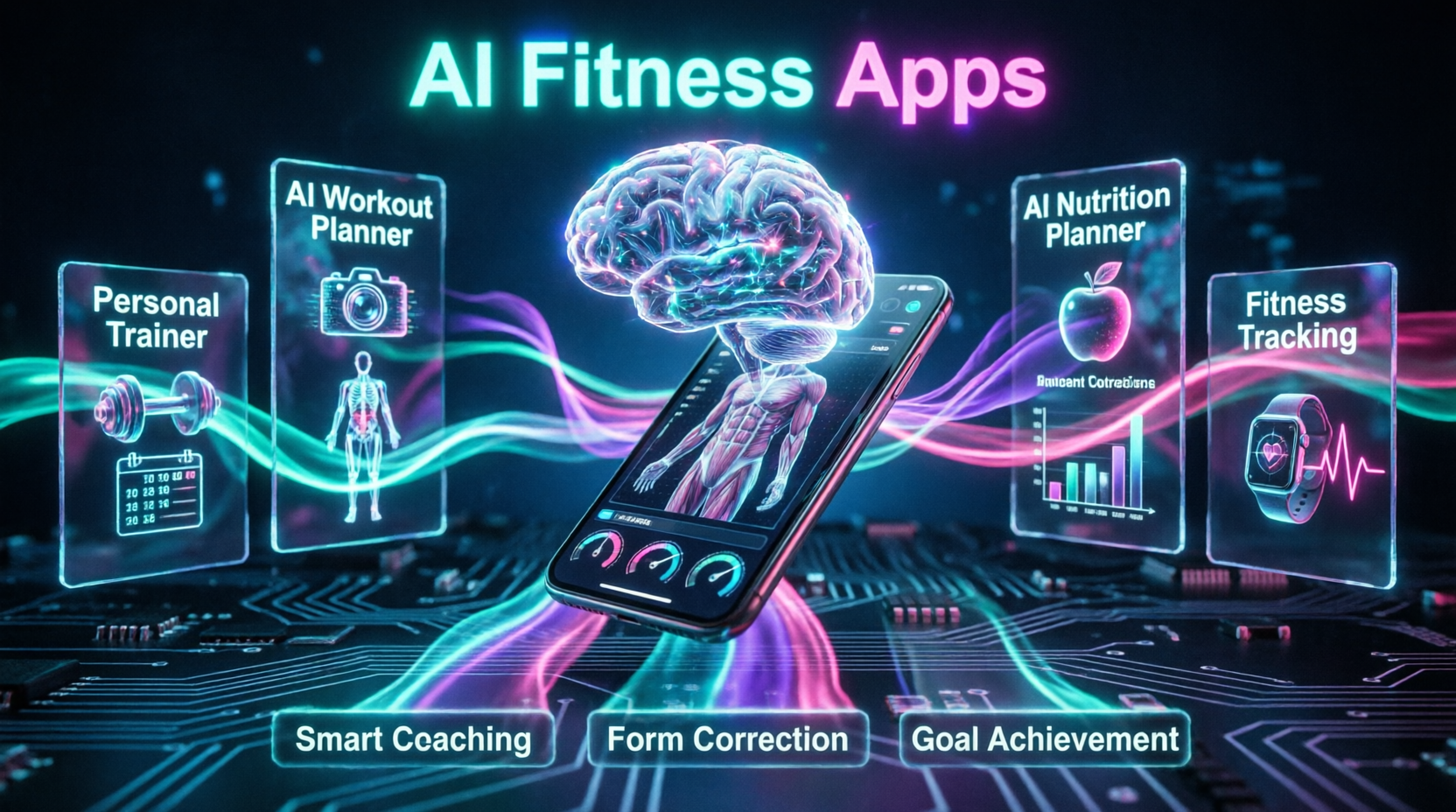
While symptom checkers handle acute concerns, AI wellness apps and AI health tracking tools are designed for continuous, long-term optimization of your baseline health. These platforms transform raw biometric data into a personalized coaching experience.
Advanced Biometric Synthesis Modern wearables (like the Oura Ring, Whoop strap, or advanced smartwatches) collect massive amounts of data: heart rate variability (HRV), resting heart rate, blood oxygen saturation (SpO2), skin temperature, and sleep architecture. AI health tracking tools synthesize these disparate data points to calculate a daily “Readiness” or “Recovery” score. Instead of just telling you that you slept poorly, the AI explains why (e.g., “Your elevated resting heart rate and low HRV suggest your body is fighting off a mild infection or recovering from intense physical stress”) and suggests actionable adjustments, like prioritizing hydration or swapping a high-intensity workout for yoga.
Personalized Nutrition and Metabolic Tracking AI wellness apps are revolutionizing diet and nutrition. By integrating with continuous glucose monitors (CGMs) or using photo-based food logging, AI can analyze how your unique body responds to different foods. The AI might reveal that a specific “healthy” fruit causes a massive blood sugar spike for you, while a complex carbohydrate keeps your energy stable. This level of personalized metabolic insight allows you to tailor your diet for sustained energy, weight management, and long-term metabolic health.
Predictive Health Alerts The most sophisticated AI health tracking tools can detect subtle anomalies before you even feel them. For example, AI algorithms can identify irregular heart rhythms (like atrial fibrillation) or predict the onset of a migraine based on changes in sleep patterns and environmental data. These predictive alerts empower you to take preventative action, such as resting or consulting a doctor, before a minor issue becomes a major health event.
4. Mind and Body: The Transformative Impact of AI Mental Health Apps
Mental health is an inseparable component of overall wellness, yet it remains one of the most underserved areas of healthcare due to stigma, cost, and a shortage of professionals. AI mental health apps are democratizing access to psychological support and emotional regulation tools.
24/7 Cognitive Behavioral Therapy (CBT) Support AI-powered chatbots, such as Woebot or Wysa, are trained in evidence-based therapeutic techniques, primarily Cognitive Behavioral Therapy (CBT). These AI mental health apps engage users in daily conversations, helping them identify cognitive distortions (like catastrophizing or black-and-white thinking), reframe negative thoughts, and develop healthier coping mechanisms. Because they are available 24/7, they provide immediate support during moments of acute anxiety or insomnia, bridging the gap between traditional therapy sessions.
Mood Tracking and Pattern Recognition Beyond conversational support, AI health tools excel at longitudinal mood tracking. By analyzing your daily journal entries, voice tone, and even typing speed, the AI can identify subtle patterns and triggers. It might notice that your anxiety scores consistently spike on Sunday evenings or after specific types of social interactions. The app can then proactively suggest targeted mindfulness exercises or boundary-setting strategies before the negative mood fully takes hold.
Escalation and Human Connection Reputable AI mental health apps are designed with robust safety protocols. If the AI detects language indicating severe depression, self-harm, or a mental health crisis, it immediately breaks character to provide crisis hotline numbers and encourages the user to seek immediate human professional help. AI is a powerful supplementary tool, not a replacement for licensed psychiatric care in severe cases.
5. Choosing the Right Digital Health AI Tools for Your Lifestyle
With a flooded market of health-tech applications, selecting the right digital health AI tools requires careful evaluation to ensure they are safe, effective, and aligned with your personal health goals.
Clinical Validation and Evidence Base Not all health apps are created equal. When evaluating AI health tools, look for platforms that have undergone clinical validation or peer-reviewed studies. Apps that partner with medical institutions, employ board-certified physicians on their advisory boards, or have received FDA clearance (or equivalent regulatory approval in your region) for specific features are significantly more trustworthy than unverified novelty apps.
Data Privacy and Security (HIPAA/GDPR Compliance) Your health data is the most sensitive personal information you possess. Any AI health tracking tool you use must employ end-to-end encryption and comply with strict data privacy regulations like HIPAA (in the US) or GDPR (in Europe). Crucially, read the privacy policy to ensure the company does not sell your anonymized health data to third-party advertisers or use it to train public AI models without your explicit, informed consent.
Ecosystem Integration and Usability The best AI wellness apps seamlessly integrate into your existing digital life. Look for tools that sync effortlessly with Apple Health, Google Fit, or your electronic health record (EHR) portal. Furthermore, the user interface should be intuitive and encouraging, not overwhelming. If an app requires 20 minutes of manual data entry every day, you are unlikely to maintain the habit, rendering the AI useless.
Cost vs. Long-Term Value While many basic AI health tools offer free tiers, advanced features (like detailed metabolic analysis or unlimited AI therapy chats) often require a subscription. Evaluate the cost against the tangible value it provides. If a $15/month AI nutrition app helps you avoid expensive takeout and improves your daily energy, the ROI is clear. Start with free trials to ensure the tool’s methodology resonates with you before committing long-term.
6. Comprehensive Query Coverage
What are the best AI health tools for beginners? For beginners, the best AI health tools are those that offer high impact with low friction. A reliable AI symptom checker for peace of mind, combined with a user-friendly wearable (like a basic smartwatch) that syncs with a simple AI wellness app for sleep and step tracking, provides a fantastic, non-overwhelming foundation for digital health.
How accurate is an AI symptom checker? Modern AI symptom checker platforms are highly accurate for triage and risk assessment, often matching or exceeding the triage accuracy of human nurses. However, they are designed to provide probabilities, not definitive diagnoses. They are exceptionally good at ruling out emergencies and guiding you to the appropriate level of care, but they should always be followed up with a human healthcare professional for a final diagnosis.
Can AI health tracking tools replace my doctor? No. AI health tracking tools are designed to augment, not replace, your healthcare provider. They excel at continuous monitoring, data collection, and highlighting trends that you might miss. However, they lack the physical examination capabilities, clinical intuition, and holistic understanding of your medical history that a licensed physician provides. Think of AI as a highly advanced diagnostic assistant for you and your doctor.
Are AI mental health apps effective for serious conditions? AI mental health apps are highly effective for managing mild to moderate stress, anxiety, and building daily emotional resilience through CBT techniques. However, for serious mental health conditions (such as major depressive disorder, bipolar disorder, or severe trauma), they should be used strictly as a supplementary support tool alongside professional therapy and psychiatric care, not as a standalone treatment.
How do I ensure my data is safe when using digital health AI tools? To ensure your data is safe, only use digital health AI tools that explicitly state they are HIPAA or GDPR compliant. Look for features like two-factor authentication, local data processing (where data stays on your device), and clear, transparent privacy policies that guarantee your data will not be sold or used for unauthorized AI training.
Conclusion
Mastering the use of AI health tools is no longer a futuristic concept; it is a present-day imperative for anyone serious about optimizing their longevity, vitality, and overall quality of life. By moving beyond reactive healthcare and embracing the proactive power of an AI symptom checker, AI health tracking tools, and supportive AI mental health apps, you can unlock unprecedented levels of personalization and preventative care.
Whether you are leveraging AI wellness apps to fine-tune your metabolism, utilizing mood-tracking AI to build emotional resilience, or simply seeking the confidence to triage a strange symptom at 2 AM, the key to success lies in choosing clinically validated, secure, and user-friendly platforms.
As artificial intelligence continues to evolve, its ability to understand human biology, predict health trends, and provide compassionate, personalized guidance will only deepen. Embrace the power of intelligent health technology today, and position your well-being at the absolute forefront of the modern digital health revolution.