
AI for Marketing
What AI for Marketing Actually Does
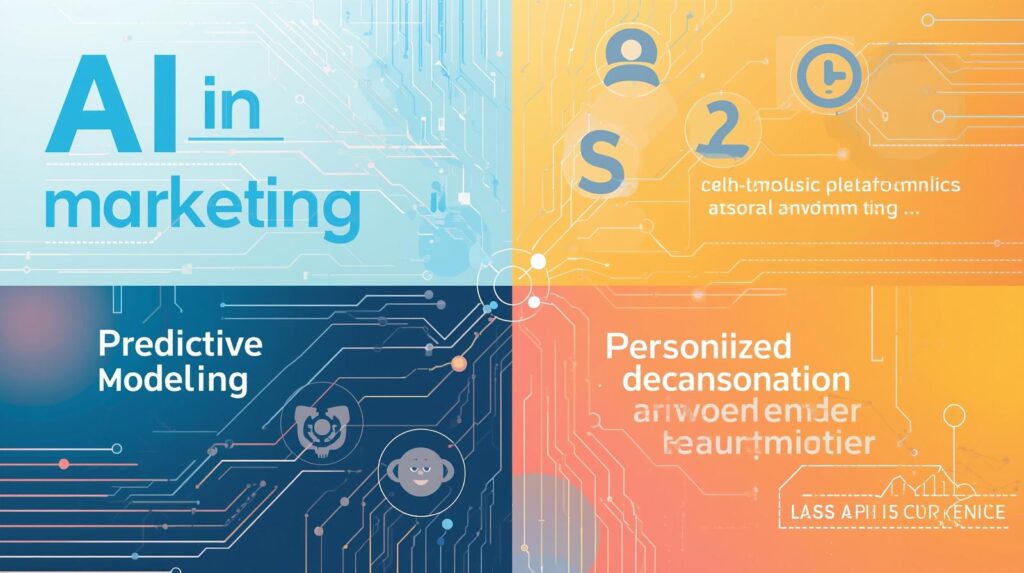
AI for marketing uses artificial intelligence to automate tasks, personalize experiences, predict behavior, and optimize performance across the customer journey. It is not magic ,it is a set of practical technologies that help marketers work faster, smarter, and at greater scale. At its best, AI handles repetitive, data-heavy work so humans can focus on strategy, creativity, and relationships.
In 2025, AI in marketing falls into four core functions:
- Content generation: Writing emails, ads, blogs, and product descriptions
- Personalization: Tailoring messages and experiences to individual users
- Prediction: Forecasting who will buy, churn, or respond to an offer
- Optimization: Automatically improving ad spend, send times, and channel mix
The goal is not to replace marketers but to eliminate busywork and amplify impact.
Why It Matters Now
Three trends make AI essential:
- Rising customer expectations: Buyers demand relevant, timely, and helpful interactions. Generic messaging fails.
- Economic pressure: Teams must do more with less. AI cuts production time and reduces wasted ad spend.
- Competitive urgency: Brands using AI are launching campaigns 3x faster and seeing 20–50% higher conversion rates.
Waiting means falling behind not just in tech, but in results.
Where AI Delivers Real Results

Content Creation at Scale
AI excels at producing high-volume, performance-driven copy:
- Emails: Tools like Phrasee and Jasper generate subject lines and body text that lift open rates by 15–30%.
- Ads: Platforms like AdCreative.ai and Google’s AI generate dozens of image and video ad variants from a single prompt.
- Product descriptions: E-commerce brands auto-generate thousands of SEO-friendly descriptions from SKU data.
- Social and blog drafts: AI creates first versions in seconds; humans refine for voice and insight.
Key rule: AI drafts, humans edit. Never publish raw AI output without review.
True 1:1 Personalization
Modern AI moves beyond “Hi [Name]” to dynamic, behavior-driven messaging:
- Email: Show different products based on browsing history (“You viewed running shoes—here’s moisture-wicking socks”).
- Website: Change headlines, CTAs, or offers in real time based on visitor type (e.g., enterprise vs. SMB).
- Ads: Meta and Google auto-generate personalized creatives for each user segment.
This turns generic campaigns into individual conversations without manual effort.
Smarter Ad Spending
AI for Marketing eliminates guesswork in paid media:
- Automated bidding: Adjusts bids in real time based on user value and competition.
- Budget shifting: Google Performance Max moves money from underperforming campaigns to top converters.
- Creative fatigue alerts: Flags when ad performance drops and triggers new asset generation.
Brands using AI for Marketing-driven media buying see 20–40% higher ROAS within 60–90 days.
Predictive Targeting
AI identifies high-value users before they convert:
- Lookalike audiences: Finds new customers who resemble your best buyers.
- Churn risk scoring: Flags at-risk customers for win-back campaigns.
- Lifetime value prediction: Prioritizes acquisition toward segments with highest long-term value.
This replaces broad targeting with precision outreach.
Automated Customer Journeys
AI for Marketing orchestrates cross-channel experiences:
- A cart abandonment on mobile triggers an SMS, then a personalized email if no action is taken.
- A whitepaper download triggers a nurture sequence with case studies and demo invites.
- Post-purchase, AI sends onboarding tips based on product purchased.
Platforms like HubSpot, Braze, and Klaviyo make this accessible to teams of any size.
Real-Time Market Intelligence
AI for Marketing monitors the digital world 24/7:
- Detects brand sentiment shifts from social mentions
- Alerts when competitors launch new campaigns
- Identifies emerging trends before they peak
Tools like Brandwatch and Sprout Social turn noise into actionable insight.
Best AI Marketing Tools by Use Case
For Content & Copy
- Jasper: Best for brand-aligned blogs, emails, and ads with SEO and tone control
- Copy.ai: Fast, simple tool for social captions, product descriptions, and ad hooks
- Phrasee: Specializes in emotionally optimized email and push notification copy
For Personalization & Automation
- HubSpot AI: All-in-one CRM with smart content, lead scoring, and email personalization
- Mutiny: Personalizes B2B websites for target accounts—no engineering needed
- Klaviyo: AI-powered email and SMS flows for e-commerce brands
For Paid Media
- Google Performance Max: Automates ads across Search, YouTube, Gmail, and Display
- Meta Advantage+: AI-managed campaigns with auto-generated creatives and audiences
- AdCreative.ai: Generates high-converting ad visuals and copy in seconds
For Analytics & Insights
- Adobe Sensei: Unifies data, predicts behavior, and measures true marketing impact
- Fireflies.ai: Records and analyzes sales/marketing calls to extract insights and next steps
How to Get Started Without Wasting Time
Solve a Specific Problem
Start with one pain point:
- “We spend 20 hours/week writing product descriptions”
- “Our cart abandonment rate is 70%”
- “We can’t personalize emails beyond first name”
Then choose a tool that solves that exact problem.
Ensure It Fits Your Stack
Before buying, confirm:
- Native integration with your email, CRM, or e-commerce platform
- Easy data sync (real-time or daily)
- Clear privacy and compliance controls
A disconnected AI tool is just another silo.
Keep Humans in Control
Best practices:
- Always edit AI-generated content for accuracy and brand voice
- Review AI recommendations before acting
- Never fully automate sensitive communications (e.g., crisis response)
AI supports judgment it doesn’t replace it.
Measure Business Impact
Track outcomes that matter:
- Time saved per week
- Lift in conversion rate or ROAS
- Increase in personalized experiences delivered
If it doesn’t move the needle, stop using it.
What’s Coming Next
Autonomous Campaigns
Soon, marketers will set goals (“Acquire 500 paying users in Q3”), and AI for Marketing will:
- Research audience and competitors
- Generate full-funnel creatives
- Launch and optimize campaigns automatically
Humans will shift from doers to directors.
Voice and Conversational Commerce
AI chatbots and voice assistants will handle more transactions:
- “Reorder my favorite protein powder”
- “Help me choose a plan for my small business”
Brands that master conversational UX will win in mobile-first markets.
Privacy-Safe Personalization
With cookies gone, AI for Marketing will rely on:
- Zero-party data: Preferences users explicitly share
- On-device processing: Personalization that happens locally, not in the cloud
- Synthetic testing data: AI-generated datasets that mimic real behavior without privacy risk
This builds trust while maintaining relevance.
Conclusion
AI Is the New Marketing Operating System

In 2025, AI for marketing isn’t a luxury it’s the baseline for efficiency, relevance, and growth. The most successful marketers aren’t the ones with the fanciest tools, but those who use AI for Marketing to solve real problems, serve customers better, and free up time for high-value work.
Forget hype. Focus on utility. Start small, measure results, and scale what works. The future of marketing belongs to those who harness intelligence not just generate content.


