
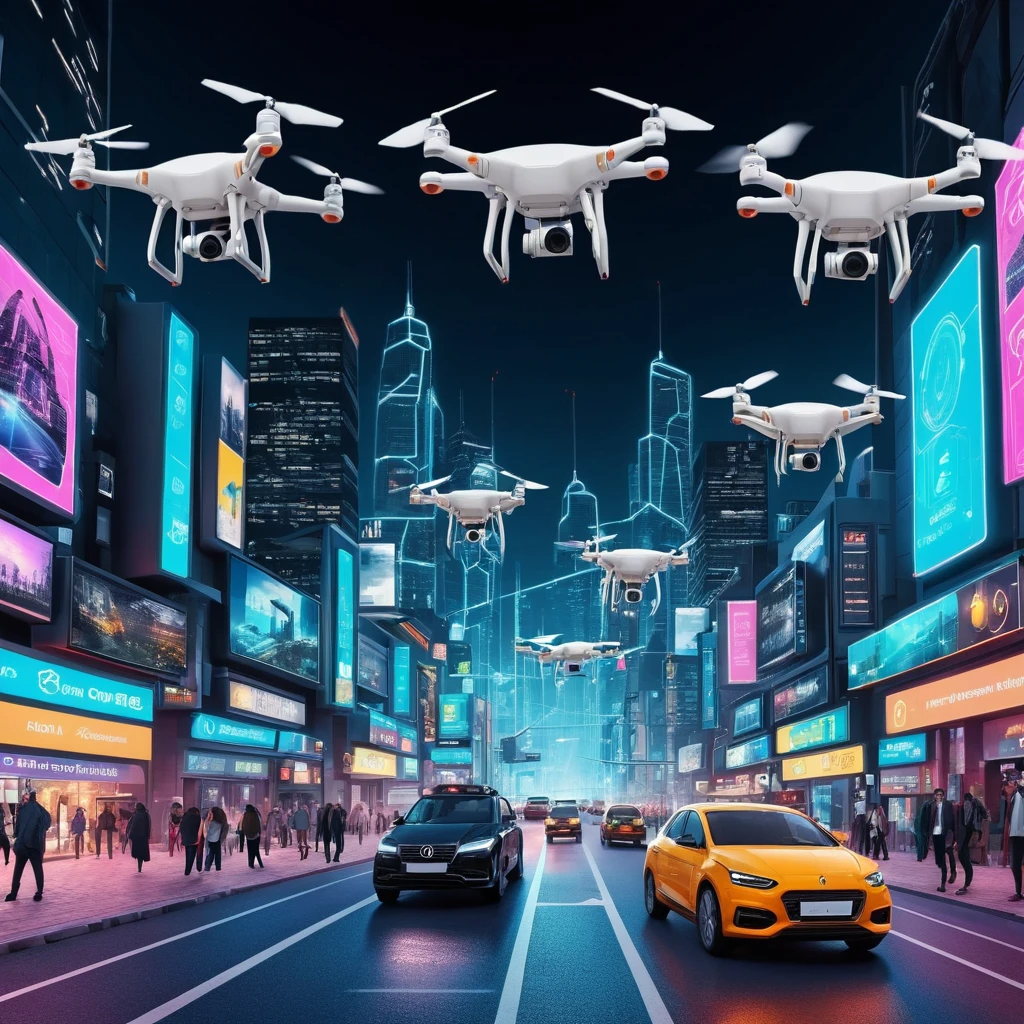
Surveillance has always played a crucial role in maintaining security, from traditional CCTV cameras to modern AI-driven systems. As we enter 2025, advancements in artificial intelligence (AI) and emerging technologies are revolutionizing the way security is monitored and managed.
From real-time threat detection to autonomous drone monitoring, AI-powered systems are enhancing efficiency, reducing crime, and improving public safety. But with these advancements come challenges, particularly regarding privacy, data security, and ethical concerns.
This article explores the latest trends in AI-driven surveillance, its impact on law enforcement, and how smart security technologies are shaping the future.
2. The Role of AI in Modern Surveillance
Artificial intelligence has significantly upgraded monitoring by introducing automation, pattern recognition, and predictive analytics. Here’s how AI is reshaping security:
AI-Powered Facial Recognition
- Identifies individuals in real time from databases.
- Used at airports, public spaces, and high-security areas.
- Helps law enforcement track and locate criminals.
Predictive Analytics for Crime Prevention
- AI analyzes historical crime data to predict future threats.
- Law enforcement agencies use predictive policing to deploy resources effectively.
- Reduces response time and improves public safety.
Automated Threat Detection
- AI-powered cameras detect unusual activities, such as unattended bags in airports.
- Smart systems send real-time alerts for immediate action.
- Reduces dependence on human monitoring, minimizing errors.
3. Advanced Surveillance Technologies in 2025
Smart CCTV Systems
- AI-powered CCTV cameras recognize faces, track movements, and detect suspicious behavior.
- Improved image quality and real-time alerts enhance monitoring efficiency.
- Used in public spaces, offices, and transportation hubs.
Drone Monitoring
- AI-driven drones provide aerial monitoring for high-risk areas.
- Used by law enforcement, border security, and disaster management teams.
- Equipped with infrared cameras and motion sensors for nighttime surveillance.
Biometric Security
- Face, fingerprint, and voice recognition improve access control.
- Reduces reliance on traditional passwords or security cards.
- Used in banking, workplaces, and airports.
IoT-Integrated Security
- Smart homes and offices leverage AI for automated security alerts.
- IoT devices like motion sensors, smart locks, and AI assistants enhance safety.
- Real-time monitoring via mobile apps improves control over security systems.
4. The Impact of AI & Tech on Law Enforcement
AI-driven monitoring has transformed law enforcement strategies, making crime detection and prevention more efficient.
AI-Driven Crime Prediction
- AI algorithms analyze past crime patterns to predict high-risk areas.
- Helps authorities prevent crimes before they happen.
- Reduces crime rates and improves law enforcement resource allocation.
Real-Time Criminal Tracking
- AI-powered monitoring cameras can track individuals based on facial recognition.
- Assists in locating missing persons and suspects.
- Enhances national security efforts.
Forensic AI in Investigations
- AI reconstructs crime scenes using digital evidence.
- Enhances fingerprint and DNA analysis.
- Improves accuracy in criminal investigations.
5. Ethical & Privacy Concerns in AI Surveillance
As surveillance technology becomes more advanced, privacy concerns arise. Key challenges include:
1. Privacy vs. Security Debate
- Governments justify AI Monitoring for security, but it may infringe on personal privacy.
- The debate continues over how much surveillance is too much.
2. AI Bias & Discrimination
- AI Monitoring systems may misidentify individuals, leading to wrongful accusations.
- Ethical AI development is essential to prevent biased algorithms.
3. Data Security Risks
- Large-scale data collection poses risks of cyberattacks.
- Secure encryption and strict regulations are needed to protect sensitive information.
4. Need for Regulatory Frameworks
- Countries are implementing strict data privacy laws.
- Transparency in AI surveillance operations is crucial.
6. Future Trends in AI-Powered Surveillance
1. 5G-Powered Real-Time Monitoring
- Faster connectivity enables instant monitoring streaming.
- Enhances security in smart cities and public places.
2. AI-Powered Crowd Anomaly Detection
- AI detects suspicious movements and potential threats in crowded areas.
- Helps in preventing terrorist activities and mob violence.
3. Blockchain for Surveillance Data Security
- Decentralized storage ensures tamper-proof records.
- Enhances security and transparency in video surveillance.
7. Conclusion
AI-driven observation is transforming security, law enforcement, and public safety. With technologies like biometric security, AI-powered CCTV, and drone monitoring, surveillance is becoming more efficient than ever.
However, concerns regarding privacy, ethical AI usage, and data security must be addressed. Regulatory frameworks and transparent AI development are necessary to balance security and personal freedoms.
As AI and tech continue to evolve, the future of surveillance will be defined by ethical innovation, enhanced monitoring capabilities, and smarter security solutions.
FAQs
1. How is AI improving surveillance?
AI enhances surveillance through facial recognition, automated threat detection, and predictive analytics, allowing for faster and more accurate security monitoring.
2. What are the risks of AI surveillance?
Privacy violations, biased algorithms, and cybersecurity risks are key concerns, making ethical AI development and strong regulations essential.
3. How does drone surveillance work?
AI-powered drones monitor areas in real time, providing aerial security for border control, law enforcement, and disaster management.
4. Will AI replace human security personnel?
AI will assist but not fully replace human security, as human judgment is necessary for ethical and situational decision-making.
5. What’s next for surveillance technology?
Future advancements include 5G-powered real-time monitoring, AI-driven anomaly detection, and blockchain-secured surveillance data for enhanced security.


